
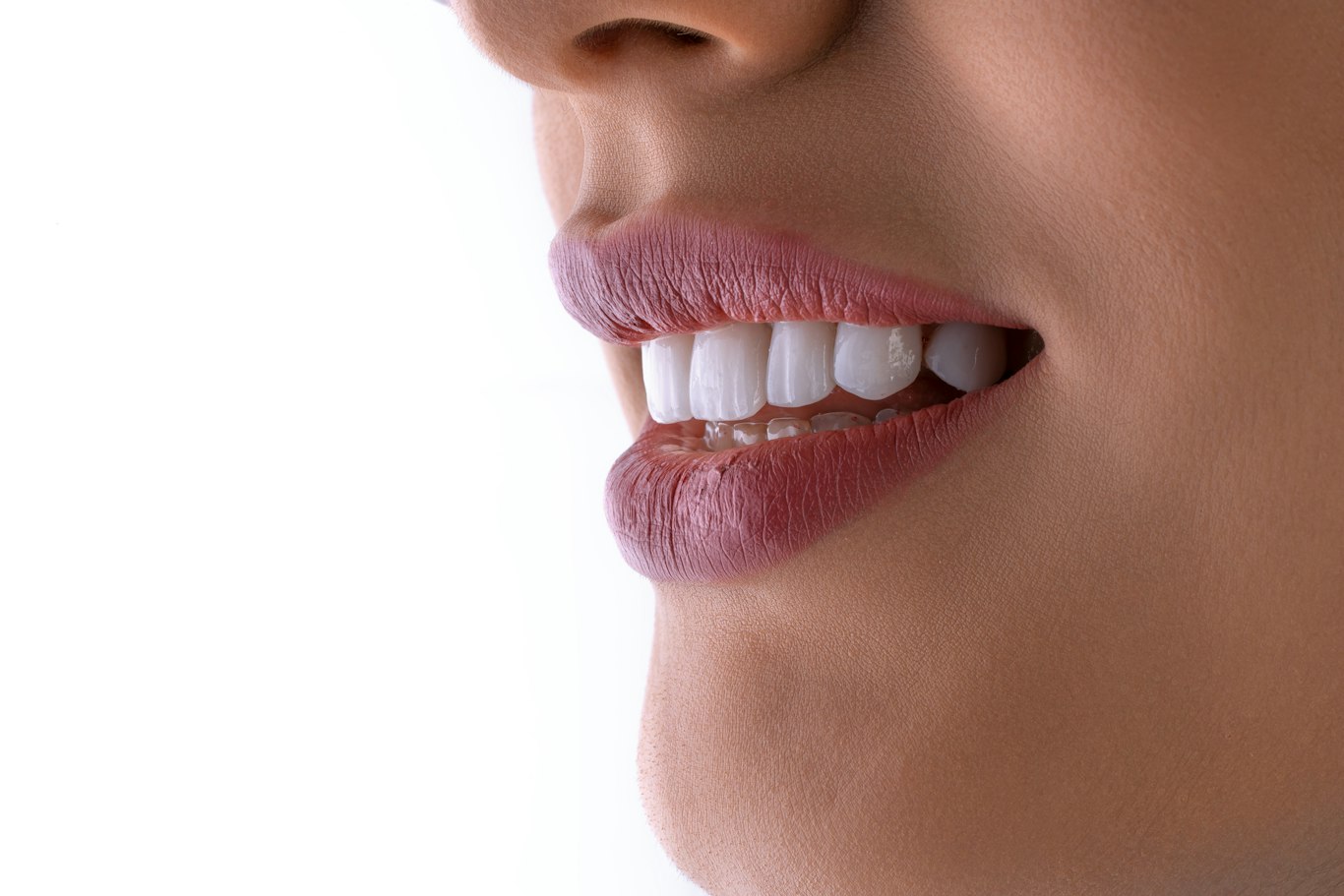
Teeth Whitening: Professional vs. At-Home Options (What Actually Works)
A brighter smile is one of the most requested cosmetic changes at the dental office, and it is easy to see why. Teeth whitening can make you look fresher and feel more confident in photos, at work, and in everyday conversations. But with whitening strips, charcoal powders, LED kits, and in-office treatments all promising dramatic results, it can be hard to know what actually works.
In this guide, we explain what causes tooth discoloration, compare professional and at-home teeth whitening, and share simple habits that help your results last.
What Causes Teeth to Become Stained or Yellow?
Tooth discoloration usually falls into two groups:
- Surface (extrinsic) stains: caused by coffee, tea, red wine, dark sodas, berries, and tobacco. These stains sit on the enamel and usually respond well to whitening.
- Deep (intrinsic) stains: found inside the tooth. They can come from aging, trauma, certain medications, or too much fluoride during childhood. These are harder to lighten and may need other cosmetic options.
As we age, enamel naturally thins and lets more of the yellow dentin underneath show through. If your morning cup is a daily habit, you may also want to read how your morning coffee affects your teeth.

Professional Teeth Whitening: How It Works
Professional whitening is supervised by your dentist and uses a stronger, carefully controlled bleaching gel. There are two common options:
In-Office Whitening
The dentist protects your gums, applies a high-strength whitening gel, and monitors the treatment. Many patients see a noticeable change in a single visit, which makes this a good choice before a wedding, event, or photo session.
Custom Take-Home Trays
Your dentist makes trays shaped to your teeth and gives you a professional gel to use at home. Because the trays fit closely, the gel stays on the teeth and away from the gums. Results build gradually over one to two weeks.
Benefits of professional whitening:
- Faster and more even results
- A dental exam first, so cavities or gum problems are treated before whitening
- Better control of sensitivity
- Guidance on realistic results for your specific teeth
At-Home Whitening Products: What to Expect
Over-the-counter whitening strips, gels, and toothpastes are affordable and convenient, but they contain lower concentrations of whitening agents.
- Whitening strips: can lighten teeth a few shades over several weeks when used as directed.
- Whitening toothpaste: helps remove surface stains but does not change the natural color of your teeth much.
- One-size-fits-all trays and LED kits: results vary, and poorly fitting trays can let gel irritate the gums.
- Charcoal and DIY remedies: abrasive powders, lemon juice, or baking soda scrubs can wear down enamel and make teeth look more yellow over time. We do not recommend them.
Professional vs. At-Home Teeth Whitening: Quick Comparison
- Speed: Professional in-office whitening is fastest; store-bought products take weeks.
- Strength of results: Professional treatments usually produce a more noticeable and even change.
- Safety: Dentist-supervised whitening protects your gums and checks for problems first.
- Cost: At-home products cost less upfront, but you may need to repeat them more often.
Is Teeth Whitening Safe?
When used correctly, whitening is safe for most adults. The most common side effect is temporary tooth sensitivity. If you already have sensitive teeth, talk to your dentist first. A desensitizing toothpaste or a gentler gel may help.
Whitening may not be right for you if you are pregnant or nursing, have untreated cavities or gum disease, or have worn enamel. Keep in mind that crowns, veneers, and fillings do not whiten, so visible restorations may need to be matched after whitening.
How to Keep Your Smile White Longer
- Brush twice a day and floss daily to stop plaque from picking up stains.
- Rinse with water after coffee, tea, or wine.
- Use a straw for dark drinks when possible.
- Avoid tobacco and vaping products.
- Keep up with professional cleanings every six months to remove surface stains and tartar.
For more trusted oral health information, visit the American Dental Association’s MouthHealthy site.
Frequently Asked Questions
How long does teeth whitening last?
Results can last from several months to a couple of years, depending on your diet, habits, and oral hygiene. Occasional touch-ups help maintain your shade.
Does teeth whitening damage enamel?
Professionally supervised whitening, used as directed, does not damage healthy enamel. Overusing products or using abrasive DIY methods is what causes problems.
Can I whiten my teeth if I have fillings or crowns?
Yes, but restorations will not change color. Your dentist can help you plan so your smile looks even afterward.
Brighten Your Smile in Muncie, Indiana
Not sure which teeth whitening option is right for you? The team at Affinity Family Dental in Muncie can check your teeth and gums, explain your options, and help you get a brighter smile safely. Book an appointment today, or visit our insurance and financing page to learn more about payment options.