
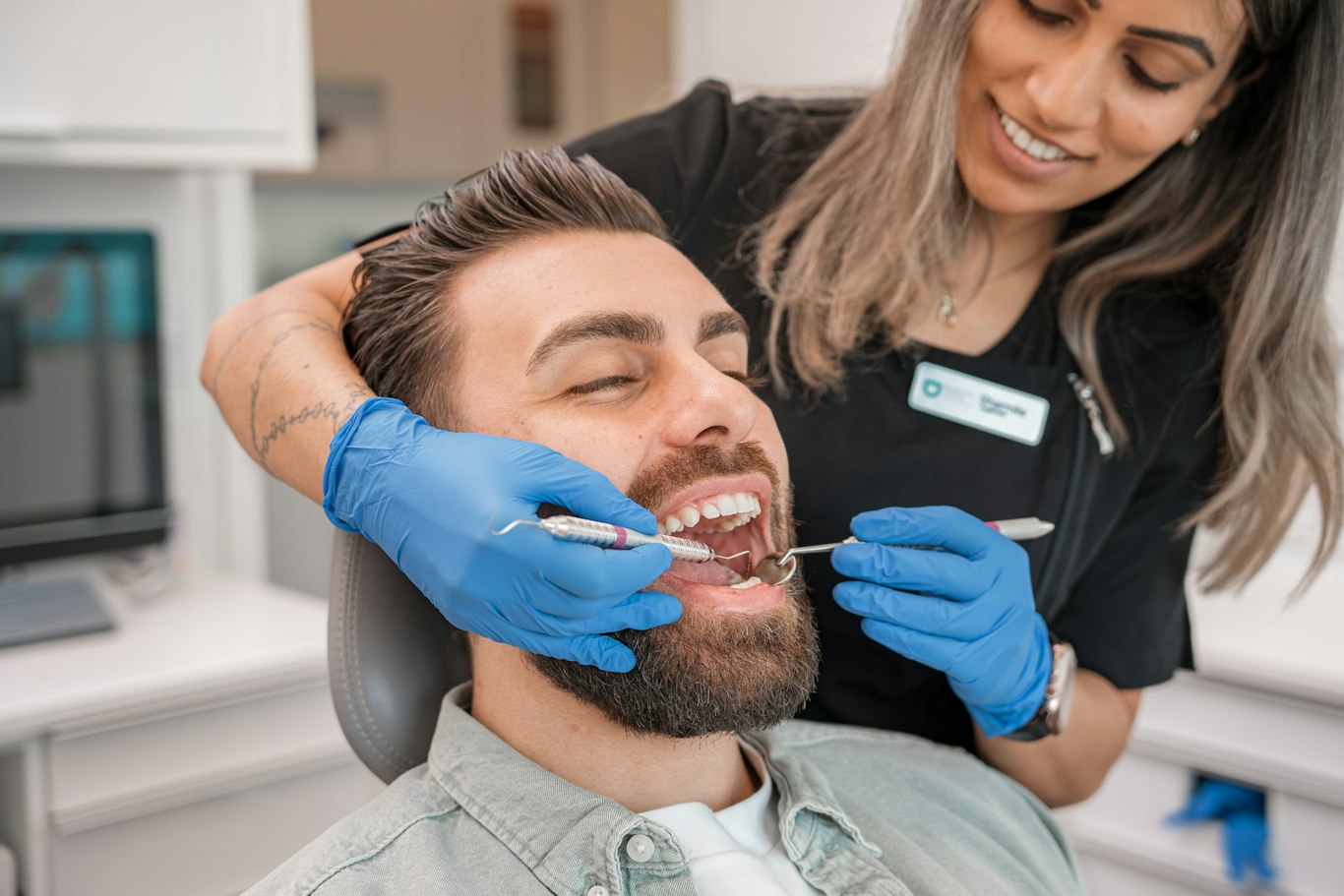
Dental Anxiety: 9 Tips to Feel Calm at the Dentist
If the thought of a dental appointment makes your heart race, you are not alone. Dental anxiety is very common, and for some people it is strong enough that they put off care for years.
The problem is that skipping visits allows small, easy-to-fix issues to grow into bigger problems that need more treatment. The good news is that dental anxiety can be managed. These tips can help you feel calmer and more in control.
What Causes Dental Anxiety?
- A painful or unpleasant dental experience in the past
- Fear of needles, pain, or the sound of dental tools
- Feeling a loss of control while lying back in the chair
- Embarrassment about the condition of your teeth
- A sensitive gag reflex
- General anxiety that makes medical settings stressful
Understanding where your fear comes from is the first step toward managing it.
9 Tips to Manage Dental Anxiety
1. Tell Your Dental Team
Let us know you feel anxious when you book and again when you arrive. A caring dental team will explain each step, check in often, and adjust the pace to suit you.
2. Agree on a Stop Signal
Raising your hand is a simple way to ask for a break. Knowing you can pause at any time gives you back a sense of control.
3. Ask Questions
Fear of the unknown is often worse than the treatment itself. Ask what will happen, how long it will take, and what you might feel.

4. Choose a Good Appointment Time
Book at a time when you are not rushed. Many anxious patients prefer early morning so they do not spend the day worrying.
5. Practice Deep Breathing
Slow breathing calms your nervous system. Try breathing in for four counts, holding for four, and breathing out for six. Repeat several times before and during your visit.
6. Bring Headphones
Listening to music, a podcast, or an audiobook can block out dental sounds and give your mind something else to focus on.
7. Bring a Support Person
A trusted friend or family member in the waiting room, or even in the treatment room, can make a big difference.
8. Start Small
If it has been a long time, begin with a simple exam and cleaning. Building positive experiences step by step helps reduce fear over time.
9. Ask About Comfort Options
Modern dentistry offers effective numbing, and some offices provide sedation options for anxious patients. Ask your dentist which comfort options are available and right for you.
Why Regular Visits Actually Reduce Anxiety
Routine checkups catch problems early, when treatment is quicker and simpler. People who avoid the dentist are more likely to need bigger procedures later, like a root canal or extraction. If that worries you, our article debunking root canal myths may help put your mind at ease.
For more trusted oral health information, visit the American Dental Association’s MouthHealthy site.
Frequently Asked Questions
Is dental anxiety the same as dental phobia?
Dental anxiety is a feeling of worry or unease. Dental phobia is a more intense fear that may cause someone to avoid care completely. Both can be managed with the right support.
Will the dentist judge me if I haven’t been in years?
No. Our goal is to help you, not judge you. Many patients come to us after a long gap, and we are happy to help you get back on track.
Can I bring my own music?
Yes. Headphones are a great way to relax during a cleaning or treatment.
Compassionate Dental Care in Muncie
At Affinity Family Dental, we take dental anxiety seriously and go at your pace. Learn more about what to expect at your visit, meet our team, or book an appointment when you are ready.