
Wisdom Teeth Removal: Signs You Need It and What Recovery Looks Like
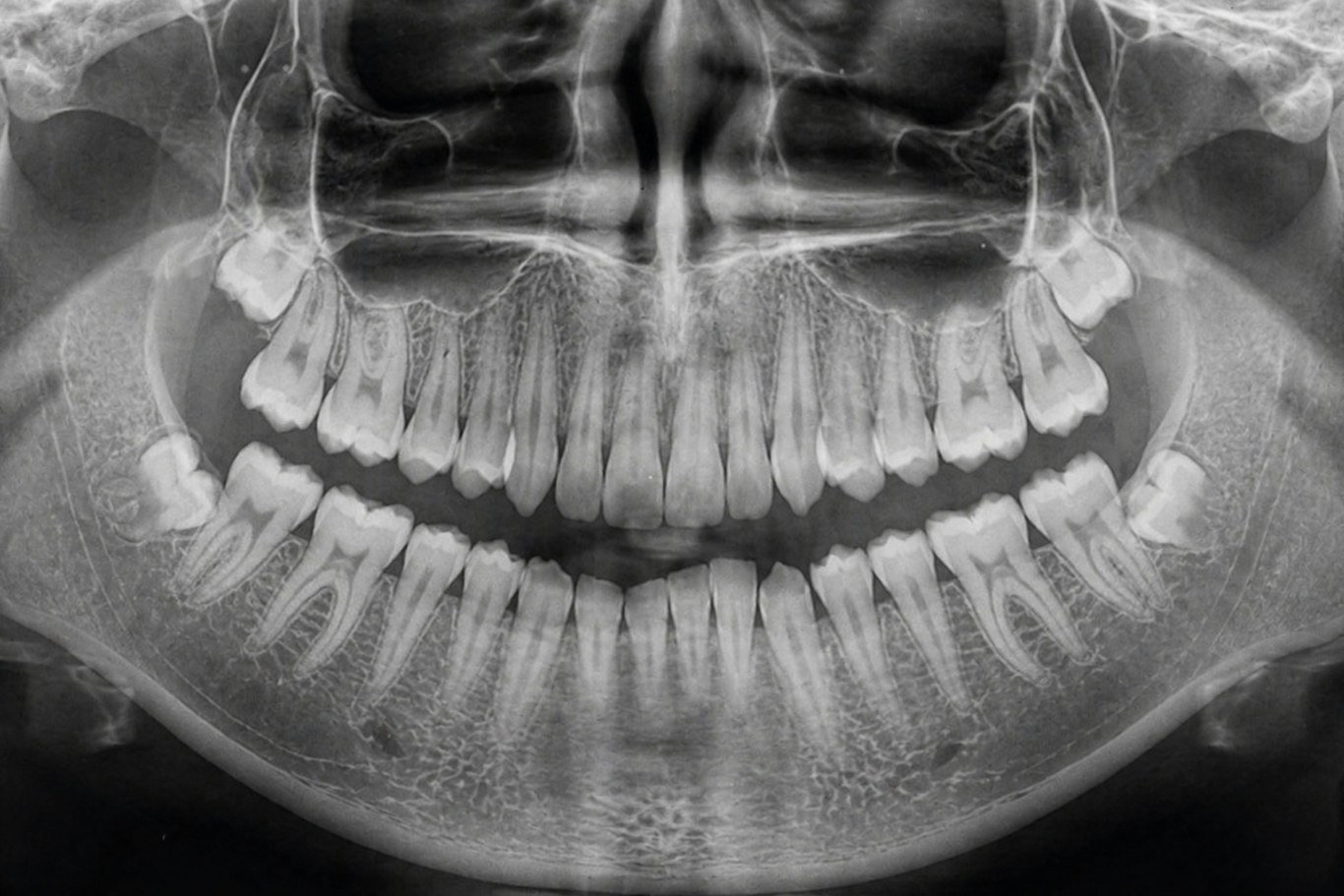
Wisdom teeth are the third set of molars, and they usually appear between the ages of 17 and 25. For some people they come in straight and healthy. However, many others simply do not have enough room, so wisdom teeth removal becomes the best option. Otherwise, crowded wisdom teeth can cause pain, infection, or damage to nearby teeth.
Here is how to tell if you may need wisdom teeth removal, what happens during the procedure, and what to expect as you heal.
Why Do Wisdom Teeth Cause Problems?
Because they are the last teeth to arrive, wisdom teeth often do not have enough space to erupt properly. As a result, they may become impacted, meaning they stay stuck under the gums or bone, or they may grow in at an angle. In addition, impacted or partially erupted wisdom teeth are hard to clean and can trap food and bacteria.
Signs You May Need Wisdom Teeth Removal
- Pain or pressure at the back of the mouth
- Swollen, red, or tender gums behind your last molars
- Jaw stiffness or difficulty opening your mouth
- Bad breath or a bad taste that does not go away
- Repeated infections around a partially erupted tooth (pericoronitis)
- Cavities or gum disease in the wisdom teeth or the molars next to them
- Crowding or damage to neighboring teeth
- A cyst around the tooth seen on an x-ray
However, sometimes wisdom teeth cause problems without any symptoms at all. That is why your dentist monitors them with x-rays during regular checkups.
What Happens During Wisdom Teeth Removal?
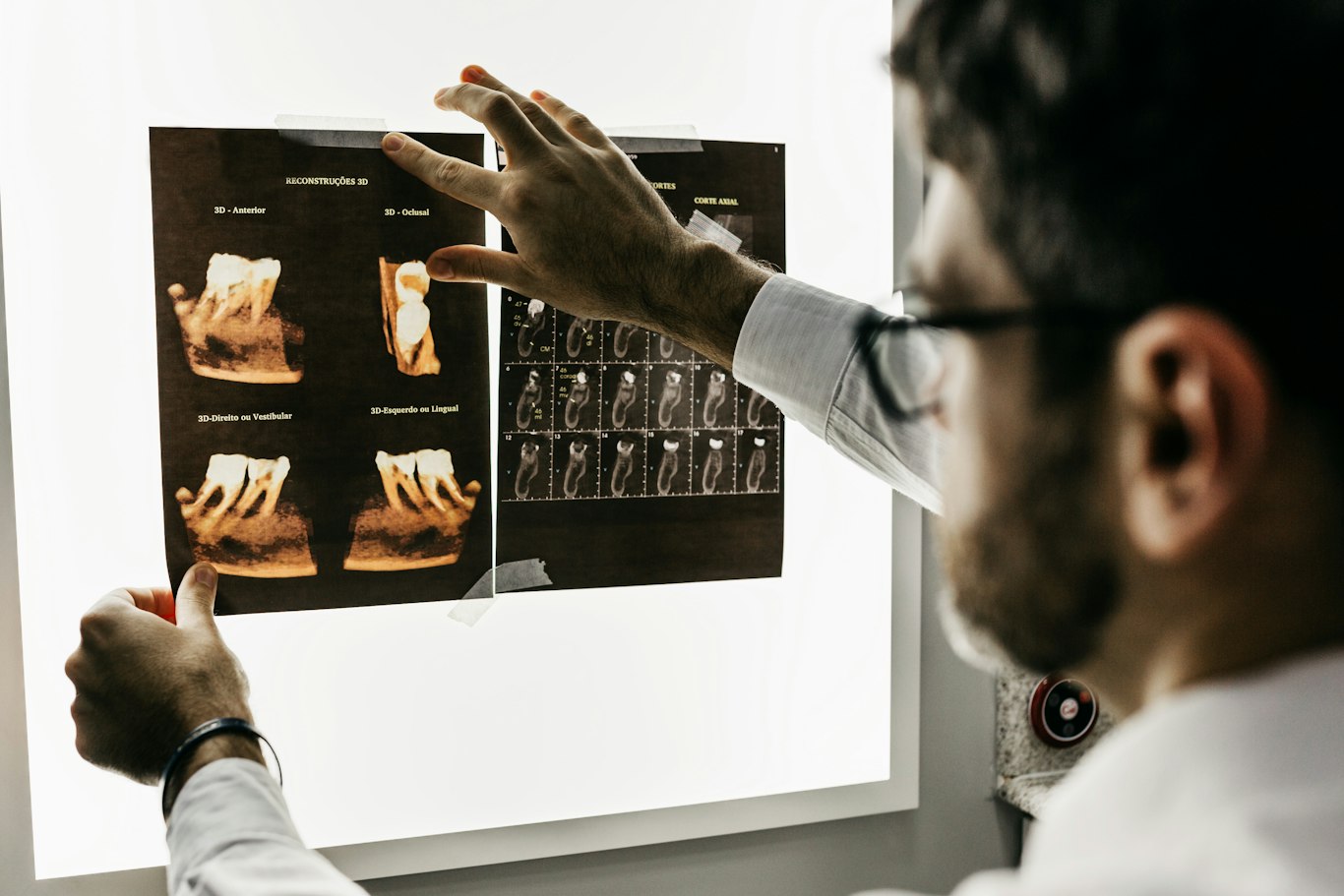
- Exam and x-rays: Your dentist checks the position of the teeth and roots and discusses your options.
- Anesthesia: Next, local anesthetic numbs the area. Depending on the case, your dentist may also offer sedation for comfort.
- Removal: Your dentist gently removes the tooth. For impacted teeth, the dentist may make a small incision or take the tooth out in sections.
- Closing: Finally, your dentist may place stitches and use gauze to control bleeding.
For complex impacted teeth, your dentist may refer you to an oral surgeon.
Wisdom Teeth Removal Recovery Timeline
- First 24 hours: Some bleeding and swelling is normal. Bite on gauze, rest, and use ice packs on your cheek in 15-minute intervals.
- Days 2 to 3: Swelling usually peaks, then starts to go down. Stick to soft foods and take pain medicine as directed.
- Days 4 to 7: Discomfort improves. Gently rinse with warm salt water after meals as instructed.
- 1 to 2 weeks: Most people feel back to normal. The gums continue healing over the following weeks.
Tips for a Smooth Recovery
- Do not use straws, smoke, or spit forcefully for several days. Suction can dislodge the blood clot and cause dry socket.
- Eat soft, cool foods at first. See our guide on what to eat after tooth extraction.
- Sleep with your head slightly raised for the first night or two.
- Keep brushing your other teeth gently, avoiding the surgical site at first.
- Follow all instructions from your dentist and attend your follow-up visit.
When to Call Your Dentist
Call if you have severe pain that gets worse after day 3, heavy bleeding that will not stop, fever, pus, numbness that does not go away, or trouble swallowing or breathing.
For more trusted oral health information, visit the American Association of Oral and Maxillofacial Surgeons.
Frequently Asked Questions
Does everyone need their wisdom teeth removed?
No. Wisdom teeth that are fully erupted, healthy, and easy to clean may not need to come out. Your dentist will recommend what is best for you.
What is the best age for wisdom teeth removal?
Wisdom teeth removal is often easier in the late teens or early twenties, because the roots are still developing and healing tends to be faster.
How long does the procedure take?
Most removals take less than an hour, depending on how many teeth are removed and how complex they are.
Wisdom Teeth Care in Muncie, Indiana
If you have pain in the back of your mouth or have not had your wisdom teeth checked, the Affinity Family Dental team can help. Book an exam and we will explain your options clearly.