
Clear Aligners vs. Braces: Which Is Right for You?
Straightening your teeth is about more than a nicer smile. Properly aligned teeth are easier to clean, can reduce uneven wear, and may make chewing more comfortable. Today, most people weigh clear aligners vs braces when choosing how to straighten their teeth.
Both can deliver excellent results, but they work differently and suit different needs and lifestyles. This guide compares clear aligners vs. braces so you can make a confident choice.
How Traditional Braces Work
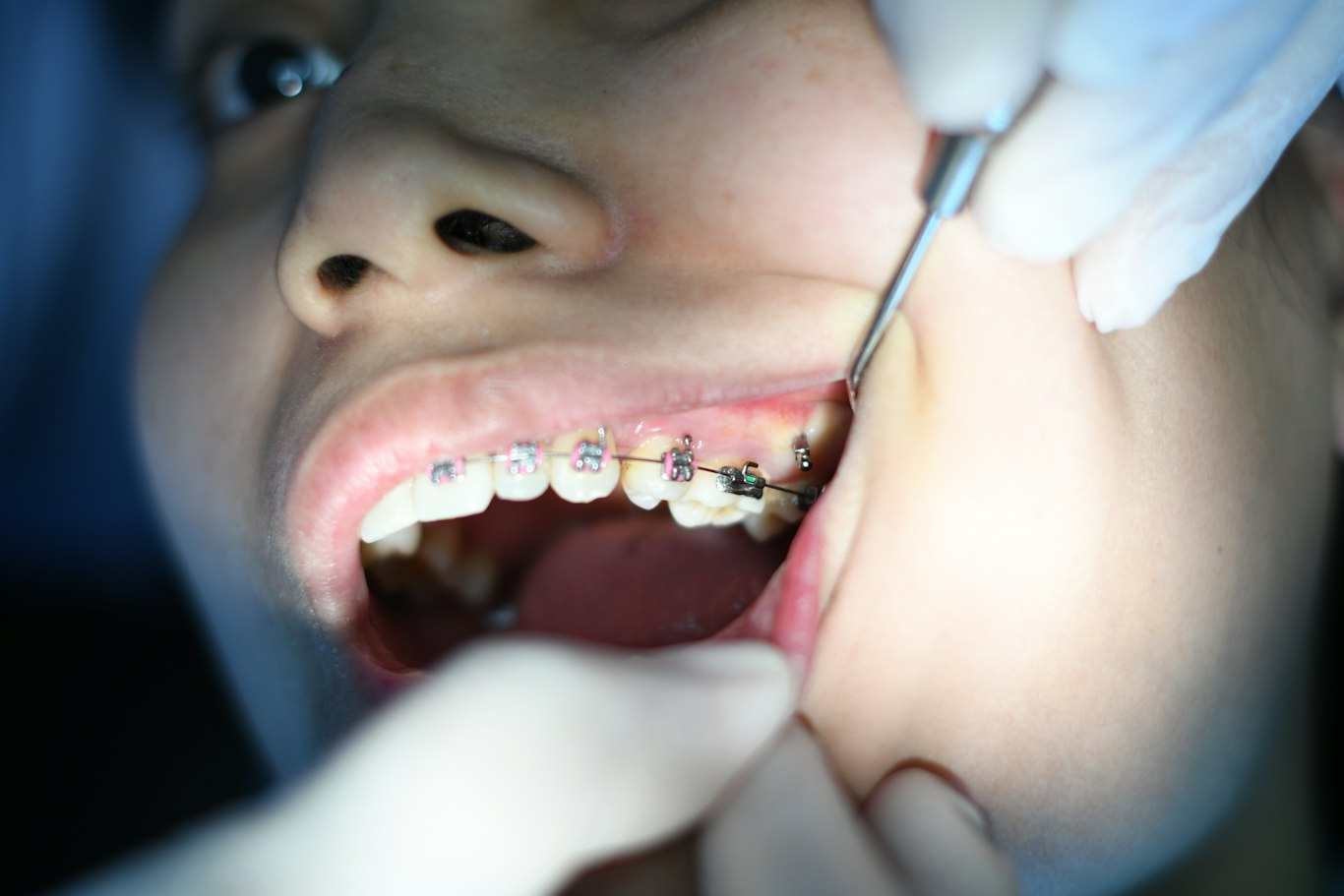
Braces use brackets bonded to the teeth and connected by a wire. Your dentist or orthodontist adjusts the wire at regular visits to gently move teeth into place. Brackets can be metal or tooth-colored ceramic.
Braces are fixed in place, so they work around the clock without you needing to remember to wear them. They are very effective for complex cases, including severe crowding, large gaps, and significant bite problems. Parents considering treatment for kids can read about braces for children.
How Clear Aligners Work
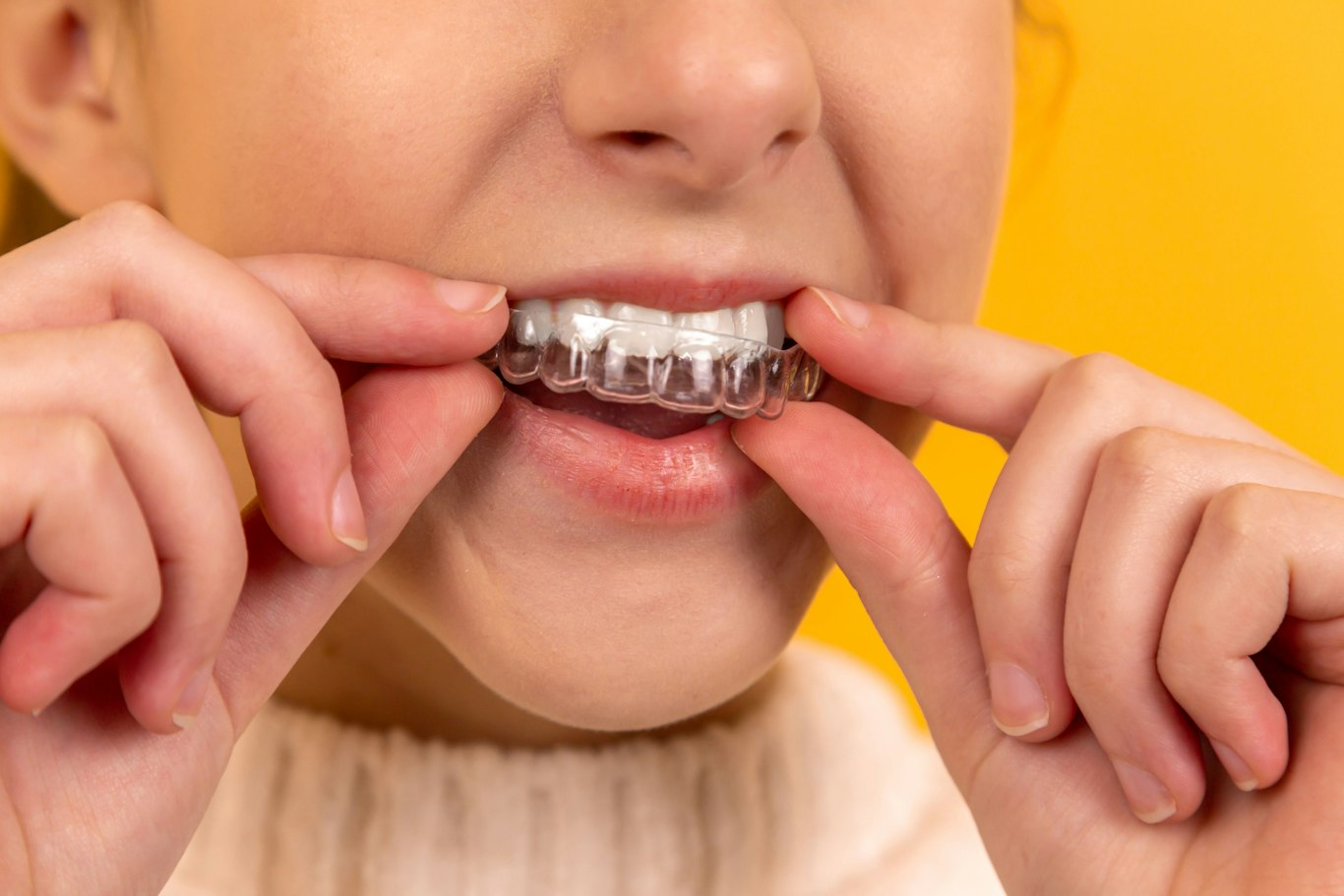
Clear aligners are a series of custom, removable plastic trays. Each set moves your teeth slightly, and you switch to a new set every one to two weeks. They are nearly invisible and are made from a digital scan or impressions of your teeth.
For aligners to work, they need to be worn about 20 to 22 hours a day. You take them out to eat, drink anything other than water, brush, and floss.
Clear Aligners vs. Braces: Side-by-Side Comparison
Appearance
Aligners are almost invisible, which appeals to adults and teens who are self-conscious. Braces are more noticeable, although ceramic brackets blend in better than metal.
Comfort
Aligners have smooth edges and no wires, so there is less rubbing on the cheeks and lips. Both options can cause mild pressure when treatment starts or moves to a new stage.
Eating and Oral Hygiene
With aligners, you remove the trays to eat, so there are no food restrictions, and brushing and flossing are simple. With braces, you avoid hard, sticky, and chewy foods, and cleaning around brackets takes extra time and tools such as floss threaders or water flossers.
Effectiveness
Aligners work well for mild to moderate crowding, spacing, and some bite issues. Braces are often the better choice for complex tooth movements and severe bite problems.
Responsibility
Braces cannot be forgotten. Aligners depend on you wearing them consistently. If they spend too much time in the case, treatment can take longer or fall off track.
Treatment Time
Treatment time depends on your case. Many aligner treatments take roughly 6 to 18 months, while braces often take 18 to 24 months. Your dentist can give you a personal estimate.
Cost
Costs are often similar and depend on how complex your case is. Many dental insurance plans with orthodontic coverage help with either option. Visit our insurance and financing page to learn more.
Clear Aligners vs Braces: Who Is a Good Candidate for Aligners?
- Adults and older teens with mild to moderate alignment issues
- People who want a discreet option for work or social life
- Patients who can commit to wearing aligners 20 to 22 hours a day
Who Might Be Better With Braces?
- Patients with severe crowding, rotation, or bite problems
- Younger children and teens who may forget to wear removable trays
- Anyone who prefers a set-it-and-forget-it approach
Don’t Skip the Retainer
Whichever option you choose, teeth naturally try to shift back after treatment. Wearing your retainer as directed is the key to keeping your new smile straight for years.
For more trusted oral health information, visit the American Association of Orthodontists.
Frequently Asked Questions
Are clear aligners as effective as braces?
For many mild to moderate cases, yes. For complex cases, braces may give more predictable results. A dental exam is the best way to know.
Do clear aligners hurt?
Most people feel pressure for a day or two with each new set, which is a sign the aligners are working. It is usually milder than the soreness after a braces adjustment.
Can adults get braces or aligners?
Absolutely. As long as your teeth and gums are healthy, there is no age limit for straightening your teeth.
Find the Right Option in Muncie, Indiana
Choosing between clear aligners vs. braces starts with a dental exam. The team at Affinity Family Dental in Muncie will look at your teeth, bite, and goals, then help you decide on the option that fits your smile and your lifestyle. Book your consultation today.